Court Document Delivery in Highland, NY: What You Need to Know

Court Document Delivery in Highland, NY: What You Need to Know

Court document delivery in Highland, NY requires precise handling of summonses, complaints, subpoenas, writs, and court orders with GPS-tracked updates that verify each step of the process. Proper service protects your legal rights and prevents case delays caused by improper notification.

How Does Professional Court Document Delivery Work?

Professional delivery ensures legal papers reach the intended recipient through verified methods that courts recognize as valid service of process.

Process servers locate recipients at verified addresses and deliver documents in person whenever possible. Each attempt is documented with date, time, and location details that create a permanent record. GPS tracking provides real-time updates so attorneys and clients know exactly when service occurs.

Courts require proof that defendants received proper notice before proceedings can move forward. Without verified delivery, cases face dismissal or significant delays that cost time and money.

Which Documents Require Professional Service?

Courts mandate professional delivery for summonses, complaints, subpoenas, writs of execution, restraining orders, and other official court papers that initiate or advance legal proceedings.

Summonses notify defendants of lawsuits and provide deadlines for response. Complaints outline the legal claims being made and the relief sought. Subpoenas compel witnesses to appear or produce documents for depositions and trials.

Writs direct law enforcement or other parties to take specific actions ordered by the court. Each document type follows different rules for acceptable service methods and timeframes. Professional servers understand these requirements and adjust their approach accordingly.

What Happens When Recipients Are Hard to Locate?

Skip tracing combines public records, credit reports, social media analysis, and surveillance to find individuals who have moved or are avoiding service.

Many people change addresses without updating official records or intentionally hide to delay legal proceedings. Process servers use multiple databases and investigative techniques to track current locations. Background checks reveal employment information, property ownership, and known associates who may lead to the recipient.

Once located, servers plan delivery attempts at times and places where recipients are most likely to be present. Persistence and investigative skill often make the difference between successful service and case delays.

How Do Hudson Valley Weather Patterns Affect Service Timing?

Highland's winter snow and ice can delay outdoor service attempts, while summer tourism increases traffic and changes residential patterns throughout the Hudson Valley region.

Heavy snowfall makes rural roads impassable and forces servers to reschedule attempts until conditions improve. Ice storms create safety hazards that prevent safe travel to remote properties. Spring flooding along the Hudson River occasionally blocks access to certain neighborhoods.

Summer brings seasonal residents to the area, which can complicate service when primary addresses are vacant. Professional servers monitor weather forecasts and adjust schedules to maximize success rates while maintaining safety. They also coordinate with clients when delays occur so legal teams can plan accordingly.

Why GPS Tracking Matters for Legal Compliance

GPS date and time-stamped updates create verifiable records that courts accept as proof of proper service attempts and completion.

Electronic tracking eliminates disputes about when and where service occurred. Attorneys receive real-time notifications as servers travel to locations and complete deliveries. This transparency builds trust and allows legal teams to move cases forward immediately after service is confirmed.

Detailed GPS records also protect against false claims that service never happened. When recipients contest service, timestamped location data provides objective evidence that courts rely on to resolve disputes. This technology has become essential for maintaining the integrity of the legal process.

Tristate Process Service delivers court documents throughout Highland, NY with GPS-tracked updates and full legal compliance. When you need reliable service that protects your case, schedule your delivery at .

By Tristate Process Service • September 22, 2026
Learn what makes a process server truly reliable in Highland, NY — GPS proof, affidavits, and same-day service for Ulster County court deadlines.
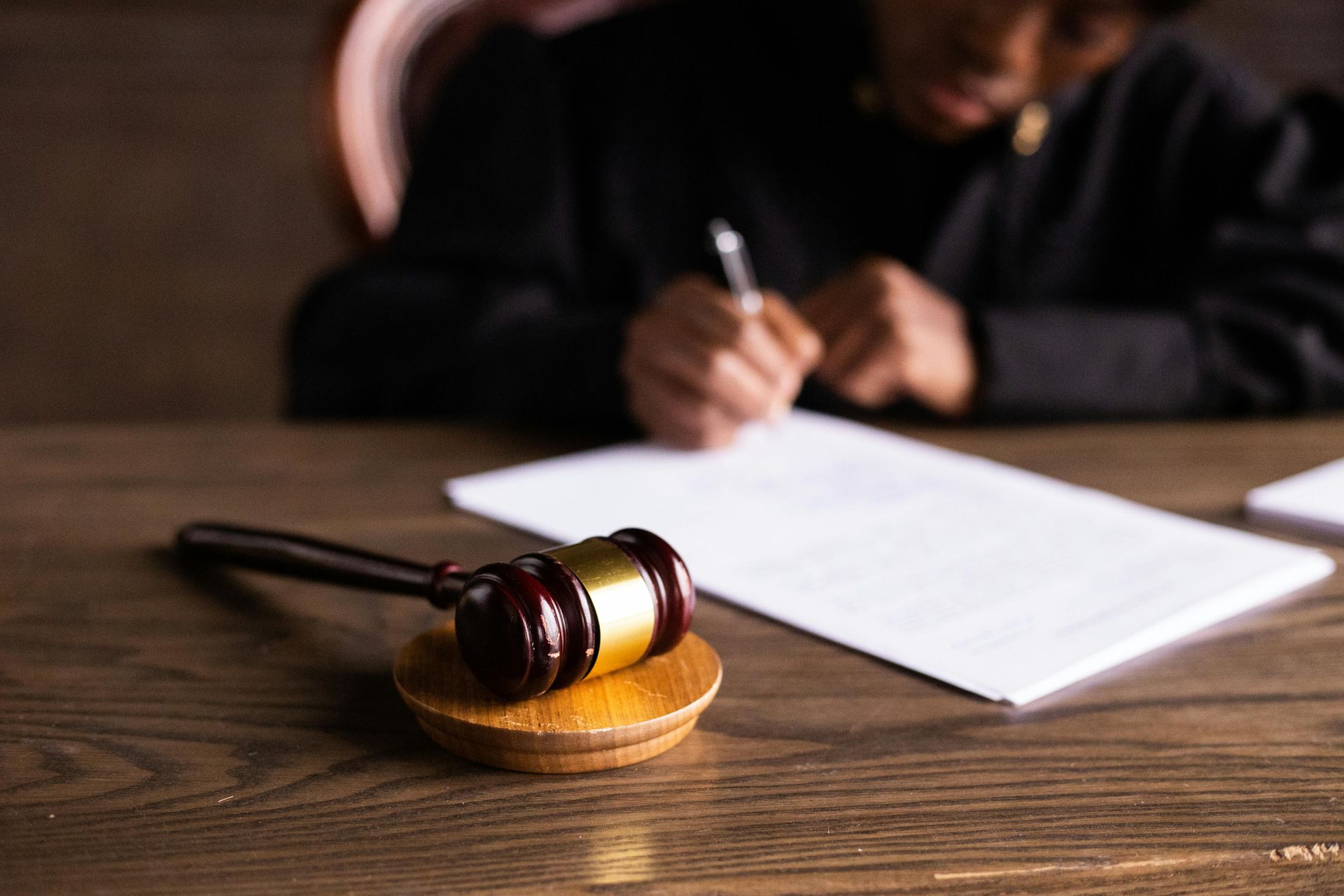
Gavel on a wooden desk beside a person writing on paper in a courtroom setting
By Tristate Process Service • September 17, 2026
Family law document service in Poughkeepsie, NY handles divorce papers, custody orders, and protection orders with confidentiality and legal precision throughout the Hudson Valley.
By Tristate Process Service • August 24, 2026
Not sure if your document qualifies for process serving in Highland, NY? Learn what miscellaneous legal papers are and how to get them delivered fast in Ulster County.
By Tristate Process Service • July 30, 2026
Landlord-tenant document service in Kingston, NY delivers eviction notices and lease violation papers with legal compliance and detailed documentation that protects property owners' rights.

By Tristate Process Service • July 18, 2026
Skip tracing in Carmel, NY uses surveillance, public records, credit reports, and social media analysis to locate individuals who have moved or are avoiding legal service.
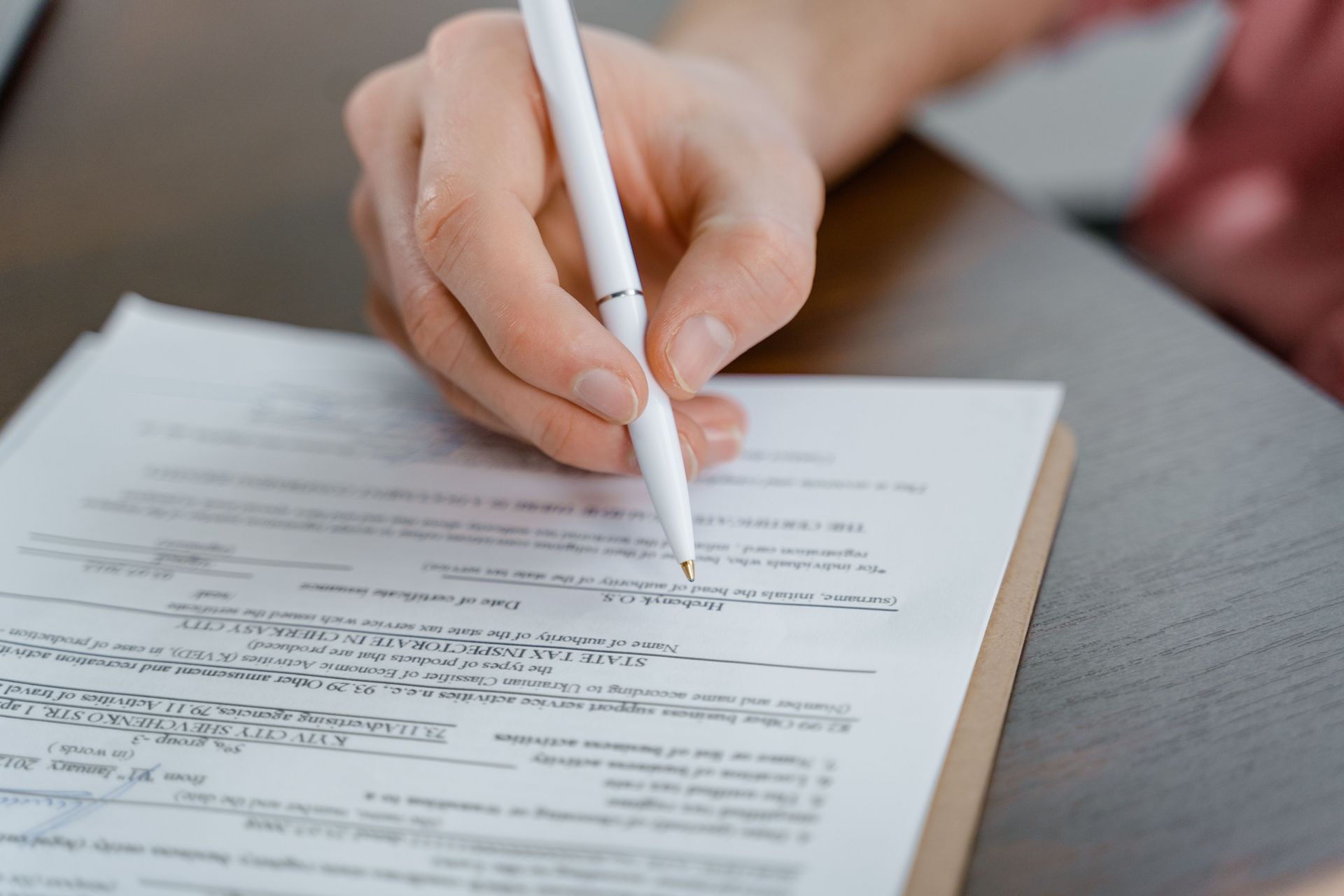
Hand signing a document with a pen on a clipboard
By Tristate Process Service • July 17, 2026
Debt collection document service in Newburgh, NY delivers collection notices, judgments, and debt-related legal papers with detailed reporting that supports creditors and attorneys.
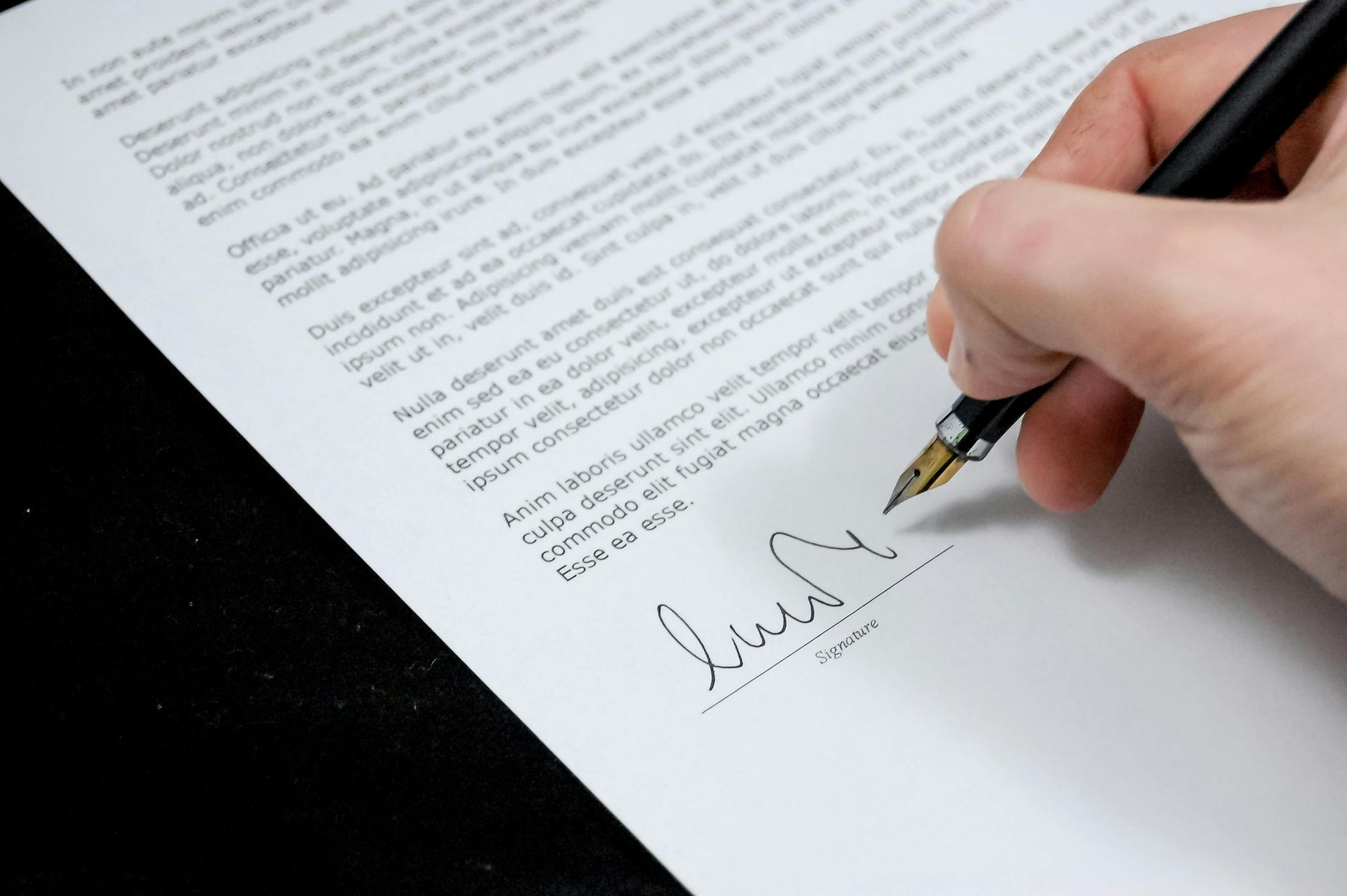
Hand signing a document with a black pen on a white page
By Tristate Process Service • July 17, 2026
Foreclosure document service in Middletown, NY handles foreclosure notices and real estate legal papers with precise timing and strict compliance to protect lenders' interests.